
One day, your child will speak to themselves using the voice they learned from you. The way you comfort them when they cry, the way you respond when they fail, the way you handle their fear, anger, sadness, and overwhelming emotions quietly becomes part of their inner world. That truth hits many parents harder than they expect, because children do not just remember rules or routines. They remember how safe they felt with you. They remember whether home felt comforting or tense, whether emotions were welcomed or dismissed, and whether they could be honest about their feelings without fear of shame or rejection.
For many parents, that realization brings emotion to the surface because so many adults are still carrying emotional wounds from childhood themselves. Phrases like “stop crying,” “you’re overreacting,” or “it’s not a big deal” may have seemed small at the time, but they slowly taught children to hide emotions instead of understanding them. Many parents today are trying to raise emotionally secure children while healing parts of themselves at the same time, and that emotional weight can feel overwhelming. Parenting is exhausting in ways few people fully explain. Some days feel like survival mode. Some nights guilt appears after bedtime when the house finally becomes quiet and you replay conversations, reactions, and moments you wish you had handled differently.
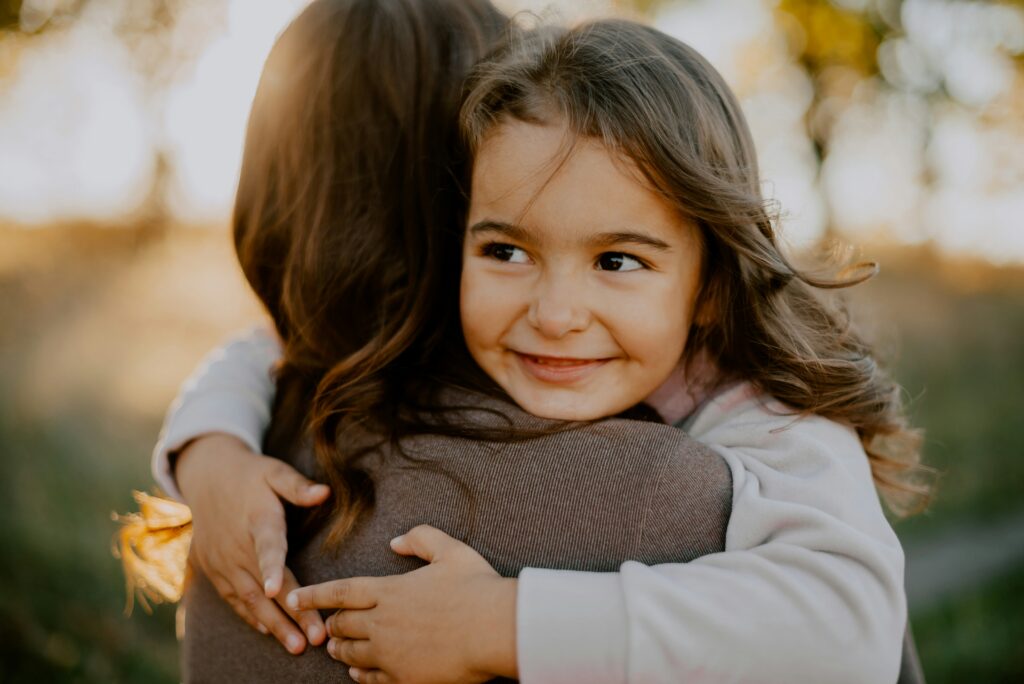
But emotionally strong children are not raised by perfect parents. They are raised by parents who keep returning to connection. Parents who apologize after difficult moments, who listen instead of immediately dismissing feelings, who stay emotionally present even when life feels heavy, and who create safety instead of fear. Because what adults often call “bad behavior” is usually something much deeper underneath. A tantrum may actually be emotional overwhelm. Anger may really be hurt. Silence may be anxiety. Defiance may simply be a child struggling to feel understood. Children do not naturally know how to manage big emotions. They learn emotional safety from the adults around them. They learn whether emotions are safe to express or safer to hide.
Those emotional lessons shape children far beyond childhood. The child who feels emotionally safe often grows into the adult who communicates honestly, builds healthier relationships, handles stress better, and trusts themselves emotionally. That confidence does not come from perfection. It comes from feeling seen, heard, understood, and accepted consistently over time. The most powerful part is that emotional connection is usually built in small moments parents underestimate every day — the moments where a child hears, “I’m listening,” “I know this hurt,” or “We’ll figure this out together.” Those words may seem simple, but to a child, they become part of the foundation of who they are and how they will see themselves for years to come.
Guides like Raising Emotionally Strong Kids: Helping Your Child Feel Seen, Safe and Understood gently explore how emotional safety, empathy, communication, and mindful parenting shape the way children experience themselves and the world around them. Because long after childhood ends, your child may not remember every rule, lecture, or routine you created, but they will remember whether they felt emotionally safe with you. And in a world where so many people grow up feeling unseen, unheard, and emotionally disconnected, that safety may become one of the greatest gifts a parent can ever give.
-
The Fear of Alzheimer’s: What We Can Do Today to Protect Our Brain Health Tomorrow
Few diseases create as much fear as Alzheimer’s. It is not simply because of the diagnosis itself, but because of what the disease threatens to take away. Alzheimer’s attacks something deeply personal:…
-
Relationship Anxiety: Why You Constantly Overthink Everything
It usually starts with something small. A text takes longer than usual. Their tone feels slightly different. They seem quieter than normal. And suddenly, your mind won’t stop spinning. You replay conversations,…
-
What Morning Sickness Really Feels Like Behind Closed Doors
Pregnancy is often described as beautiful, exciting, life-changing. People talk about glowing skin, baby kicks, nursery shopping, and the joy of becoming a mother. But behind closed doors, many women are experiencing…

Leave a Reply