
There’s something deeply heartbreaking about watching teenagers feel like they have to become someone else just to feel accepted. It starts quietly. A party invitation. A group chat. A drink being passed around while everyone laughs like this is what confidence is supposed to look like. And suddenly, a teenager who never even planned to drink is standing there thinking the same thing thousands of other teens are thinking every weekend: “What if they think I’m boring if I say no?” That’s the part adults often forget. Most teenage drinking is not about rebellion. It’s not about wanting to spiral out of control. A lot of the time, it’s about fear. Fear of standing out. Fear of awkward silence. Fear of not fitting in. Fear of feeling left behind while everyone else seems so comfortable in their own skin.
The pressure teenagers face today is emotionally exhausting. Social media has turned confidence into a performance. Everywhere they look, there’s pressure to appear fun, fearless, attractive, outgoing, and socially wanted. And for teens already struggling with anxiety, insecurity, loneliness, or low self-esteem, alcohol can start to feel less like a bad decision and more like a shortcut to belonging. A shortcut to confidence. A shortcut to finally relaxing enough to stop overthinking every little thing. That’s why so many teens who seem “fine” on the outside are secretly carrying enormous emotional pressure underneath. They’re not always drinking because they love alcohol. Sometimes they’re drinking because they hate the feeling of being uncomfortable in their own skin.
What makes this even harder is that peer pressure rarely looks obvious anymore. Nobody usually says, “Drink this or you can’t hang out with us.” Instead, it’s subtle comments that slowly make teenagers question themselves. “Come on, just one.” “Don’t be so serious.” “Everyone does it.” “You’re really not drinking?” And suddenly, saying no feels bigger than alcohol itself. It feels like risking rejection. It feels like becoming the awkward one in the room. So many teens end up drinking not because they genuinely want to, but because they are desperate to avoid feeling left out. And honestly, that emotional reality deserves more compassion than judgment.
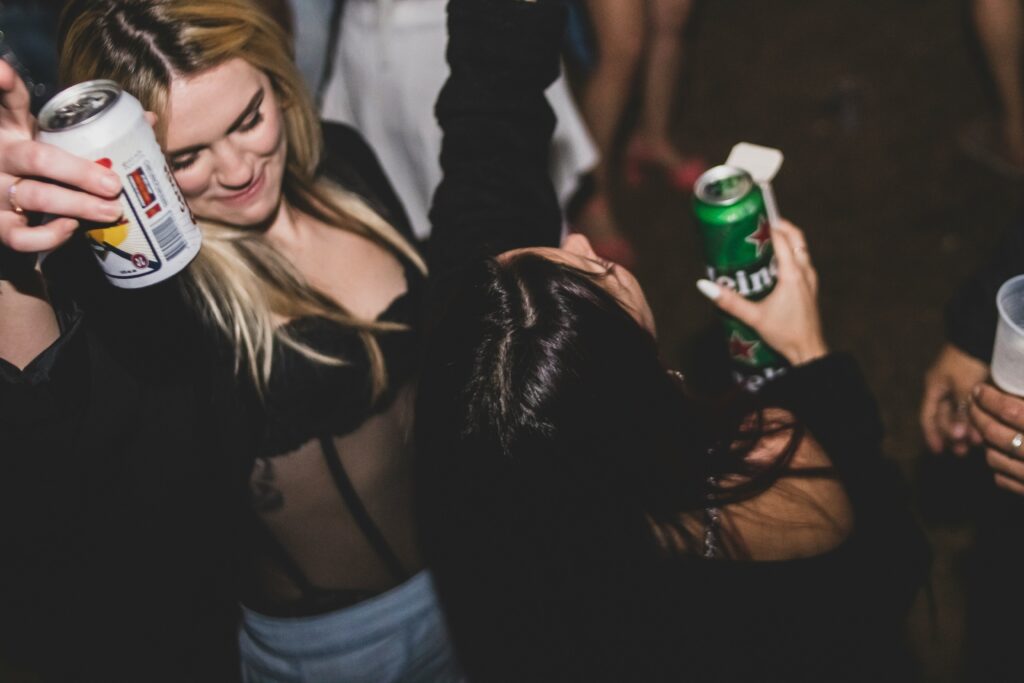
But here’s the truth nobody says loudly enough: alcohol cannot create real confidence. It can only temporarily numb insecurity. The moment the party ends, the same anxiety usually comes back. The same need for approval returns. The same fear of not being enough creeps back in. And over time, some teenagers begin depending on alcohol just to feel socially comfortable. That’s when drinking quietly shifts from “fun” into emotional dependence. Not because they’re weak, but because they never learned how to feel accepted without performing for other people first.
The teenagers who eventually become the strongest, calmest, and most confident adults are usually not the ones who spent years chasing approval from every room they walked into. They’re the ones who slowly learned how to stop abandoning themselves just to fit in. They learned that confidence is not being the loudest person at the party. Confidence is being able to say, “This isn’t for me,” without feeling ashamed. Confidence is not needing alcohol to feel interesting, attractive, or accepted. And that kind of confidence changes far more than parties. It changes friendships, relationships, mental health, self-worth, and identity. That’s exactly why The Sober Socialite: A Teen’s Survival Guide to Parties & Peer Pressure was created. Not to lecture teenagers or shame them for struggling, but to help them build real confidence without depending on alcohol to create it for them.
The guide helps teens handle peer pressure, stop fearing rejection, navigate parties without losing themselves, and finally understand that fitting in should never cost them their self-respect. Because teenagers don’t just need rules. They need emotional tools. They need confidence that lasts longer than one night. And most importantly, they need to know they are already enough — before the world convinces them otherwise.
-
The Fear of Alzheimer’s: What We Can Do Today to Protect Our Brain Health Tomorrow
Few diseases create as much fear as Alzheimer’s. It is not simply because of the…
-
Relationship Anxiety: Why You Constantly Overthink Everything
It usually starts with something small. A text takes longer than usual. Their tone feels…
-
What Morning Sickness Really Feels Like Behind Closed Doors
Pregnancy is often described as beautiful, exciting, life-changing. People talk about glowing skin, baby kicks,…

Leave a Reply